Japanese Dragon

The Japanese dragon , also known as ryū (龍) or tatsu (竜), is a mythical creature from Japan . It is a legendary monster very famous in Japanese folklore and mythology . Omnipresent in Japanese culture, the stories and legends about it are strongly associated with and interwoven with Chinese and Korean beliefs. 🐉
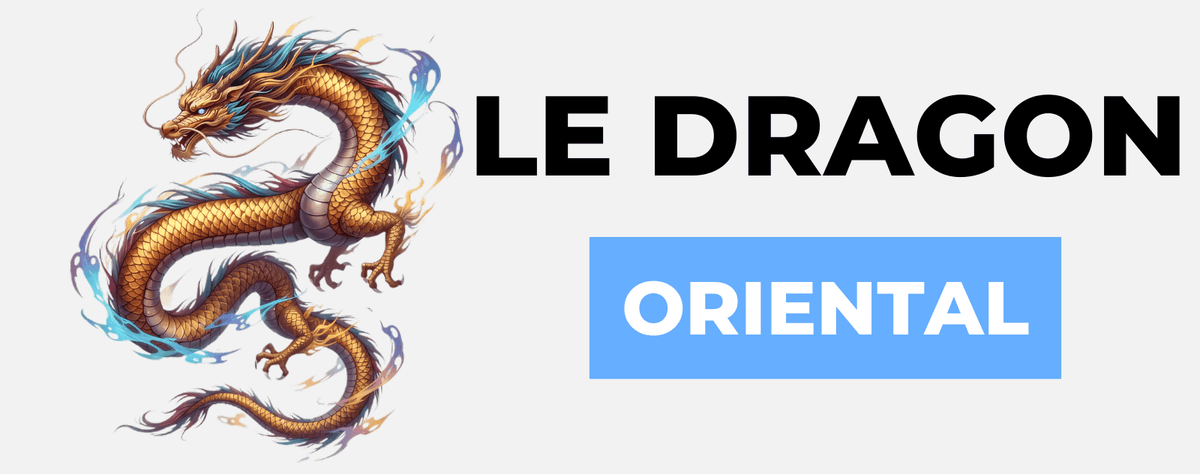
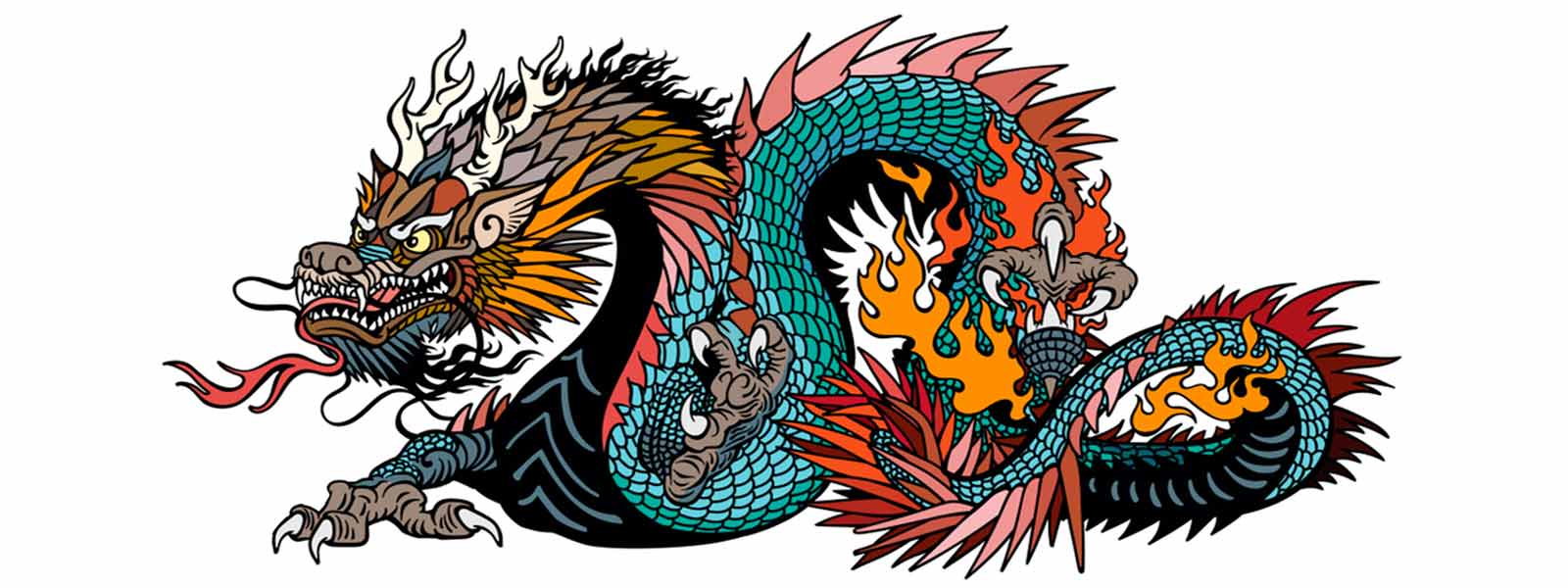
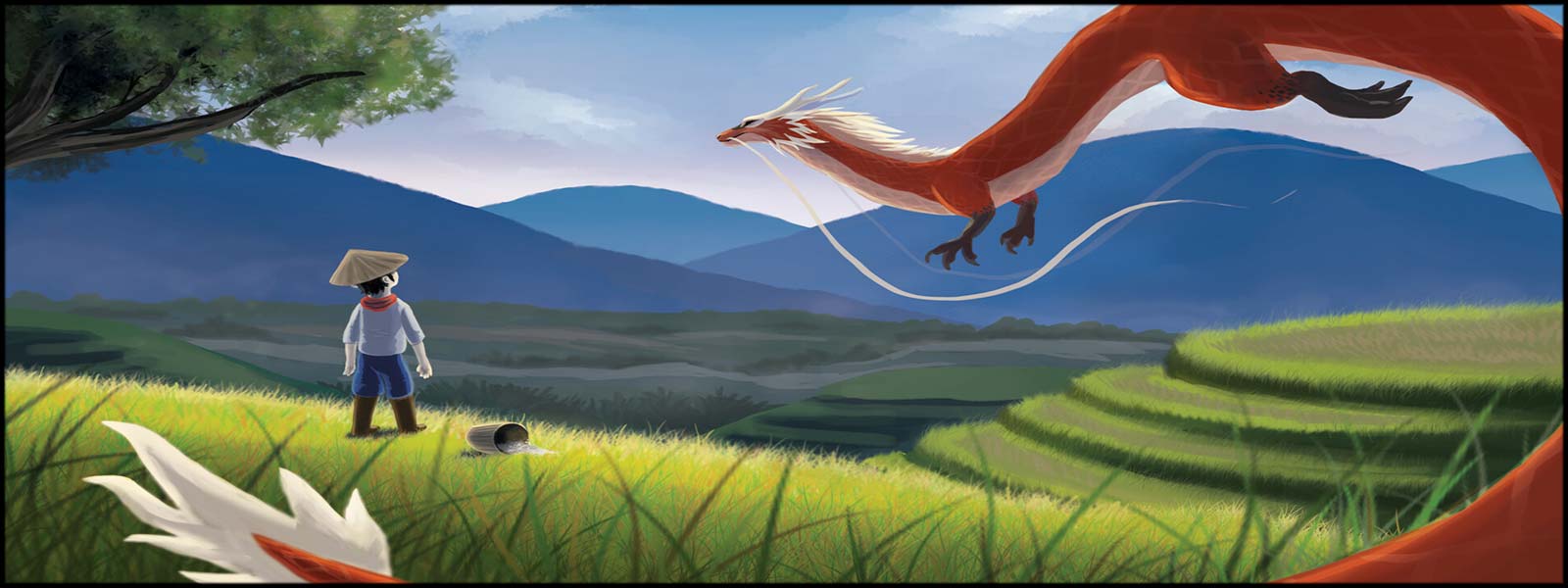
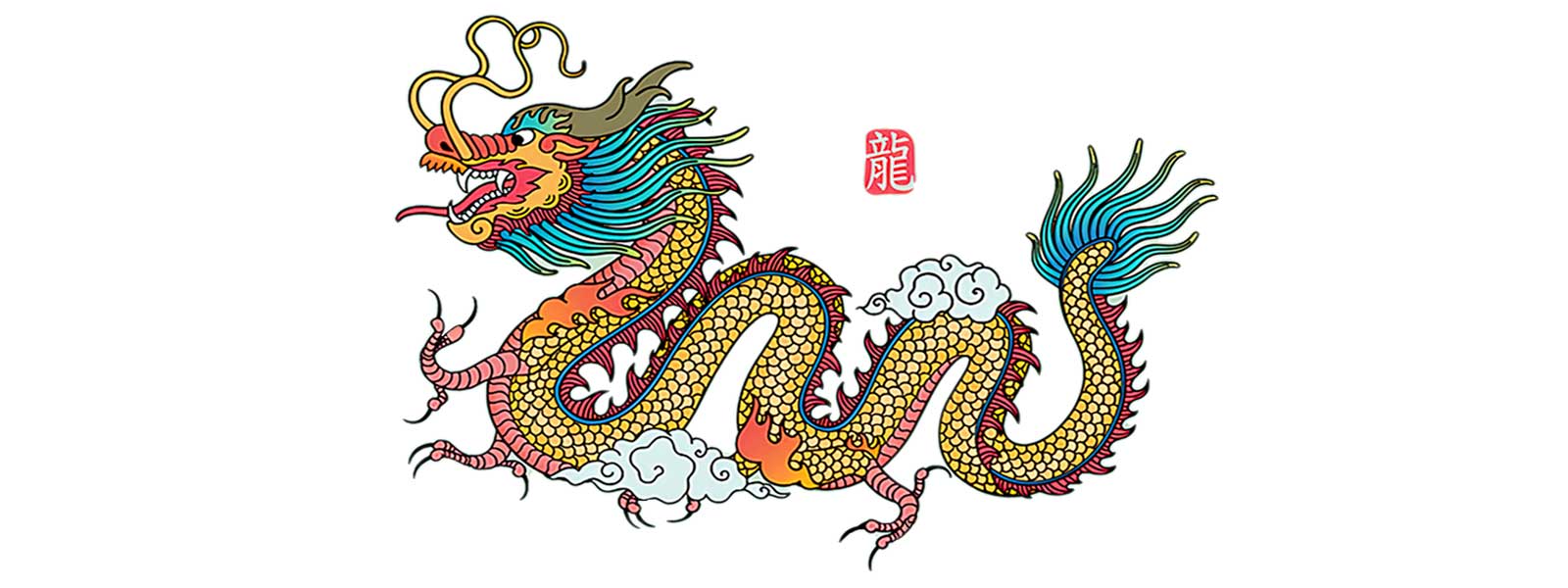
Unlike the European dragon, the Japanese dragon is a benevolent creature that does not breathe fire. 🔥 Its physical appearance is very similar to that of the Chinese dragon. The Japanese dragon is described as a serpentine creature without wings and with three-clawed feet. In Japan, the term used to refer to the Japanese dragon is " Nihon no ryū " (日本の竜).
In the Land of the Rising Sun, Japanese dragons are aquatic deities whose powers are linked to water and the weather. The Japanese dragon symbolizes strength and wisdom ; it is a very powerful emblem in Japan. Let's discover without further delay the meaning of the Japanese dragon, its origin , its place in Japanese mythology and culture, as well as the traditions devoted to its image in Japan. ⛩️
Meaning of the Japanese dragon
The meaning of the Japanese dragon is the result of myths and stories that have formed a complex belief system within Japanese society . For many years and through countless legends, Japanese dragons have become a symbol of strength, wisdom, prosperity, longevity, and good fortune. 🍀

Japanese dragons are said to be the ancestors of Japan's first emperor, Jinmu . They therefore symbolize royalty, imperial power , honor, and prestige. These traits and qualities reflect the image of Japan's ancient ruler; they represent heritage. However, the meaning of the Japanese dragon is gradually losing its traditional symbolic character and is shifting towards a more decorative function, such as in art. 🎨
Symbolism of the Japanese dragon
The Japanese dragon has been an integral part of Japanese culture for many years; it represents balance , prosperity , and is a symbol of good fortune . Also known for its supernatural powers and wisdom, many people choose it to represent their lives.
For the Japanese, the dragon is the protector and benefactor of humanity. They hold this divine being, which embodies power , good fortune , and prosperity , in high esteem. Representations of the dragon are used in Japanese customs such as festivals and commemorations. 🎊 It is not uncommon to see Japanese temples and shrines decorated with dragon sculptures.
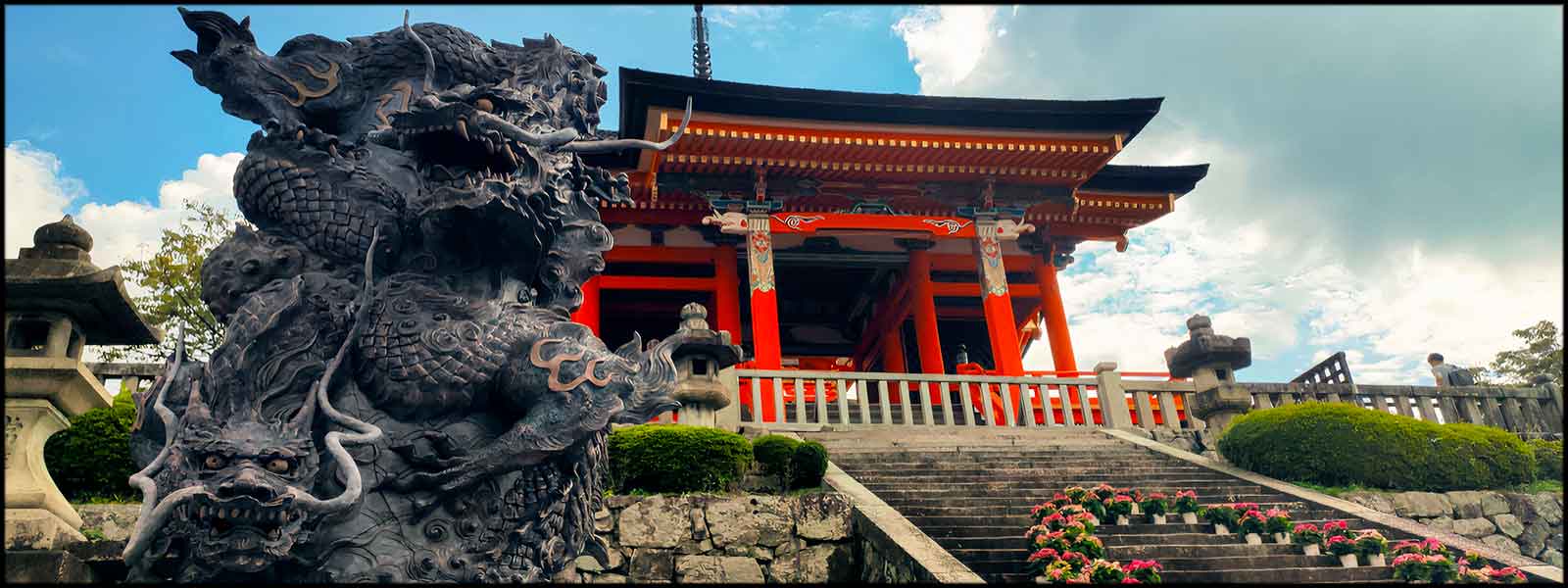
Therefore, in the eyes of the Japanese, the dragon is first and foremost the rain deity . The dragons carved in iron or wood in the various temples of almost every prefecture in Japan serve as a reminder of the desire for favorable weather and fertility for the land. The Japanese dragon is a symbol of good omen ; it is seen as a favorable sign in the lives of the Japanese. 🐉
Meaning of the colors of the Japanese dragon
As you may know, the colors of the Japanese dragon have a special meaning. Generally, a Japanese dragon tattoo represents strength, courage, and wisdom, but also balance and freedom. However, when combined with other elements and colors, it tends to represent other attributes. Here is the meaning of the colors of the Japanese dragon :
- The Japanese Black Dragon symbolizes knowledge and wisdom.
- The Japanese Green Dragon symbolizes life and nature.
- The Japanese Golden Dragon embodies wisdom, kindness, and helpfulness.
- The Japanese Blue Dragon embodies laziness, compassion, and forgiveness.
- The Japanese Yellow Dragon represents egocentrism and obligingness.
- The Japanese White Dragon represents mourning and death.
- The Japanese Red Dragon personifies passion and selflessness.
Meaning of the Japanese dragon tattoo
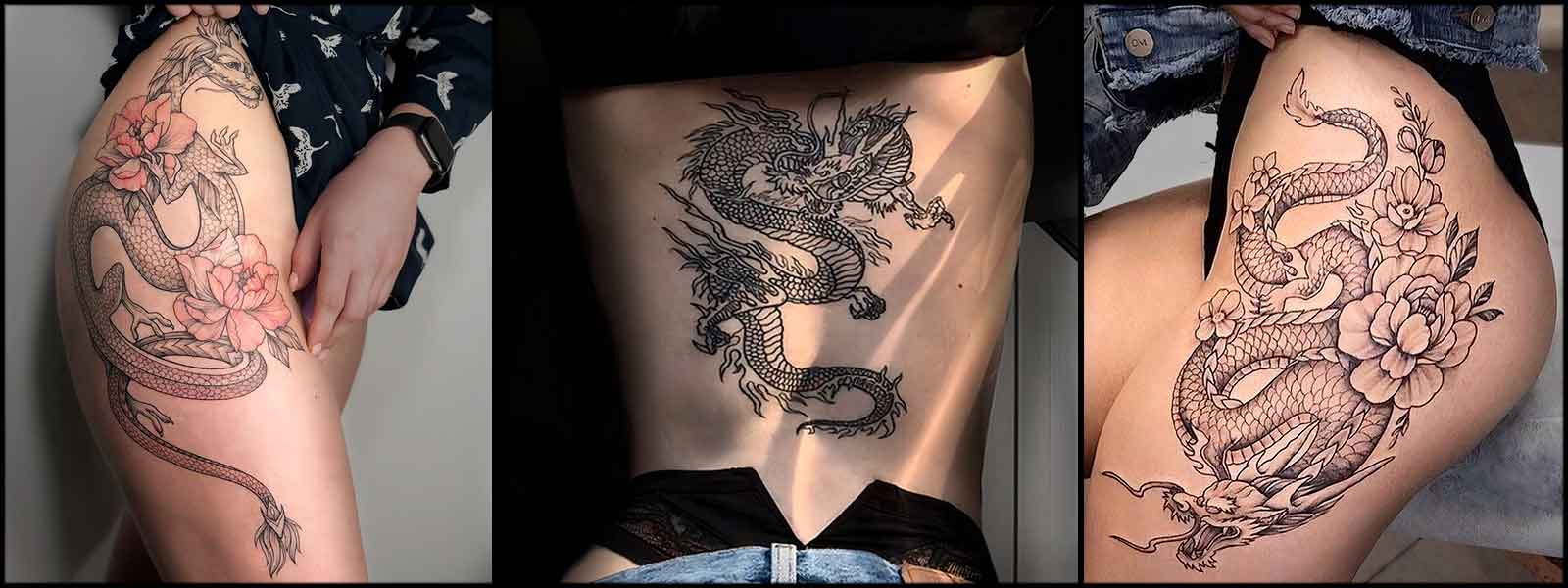
The Japanese dragon is a very popular design in the world of tattoos. There is a wide variety of stylistic representations of this Japanese creature. Some are traditional , while others have a more modern design. So, what does a Japanese dragon tattoo mean? 🐲
Very popular with both men and women, the Japanese dragon tattoo symbolizes power and good fortune. However, it can seem complex, as it encompasses a wide range of meanings that differ depending on its aesthetic and its association with other animals:
- The Japanese dragon paired with a koi carp symbolizes perseverance and willpower. Together, they allude to the legend of the koi fish, which represents transformation and rebirth. 🐟
- The Japanese dragon paired with the tiger symbolizes the balance of forces. Their opposing natures mean that together they bring harmony to a world of contrasts (yin and yang). 🐅
- The Japanese dragon associated with the phoenix symbolizes stability and duality. The dragon represents the masculine (yang) side and the phoenix embodies the feminine (yin) side. 🐦
- The Japanese dragon associated with the snake symbolizes healing and protection. It may represent the result of an event that its bearer has overcome. 🐍
What is the origin of the Japanese dragon?
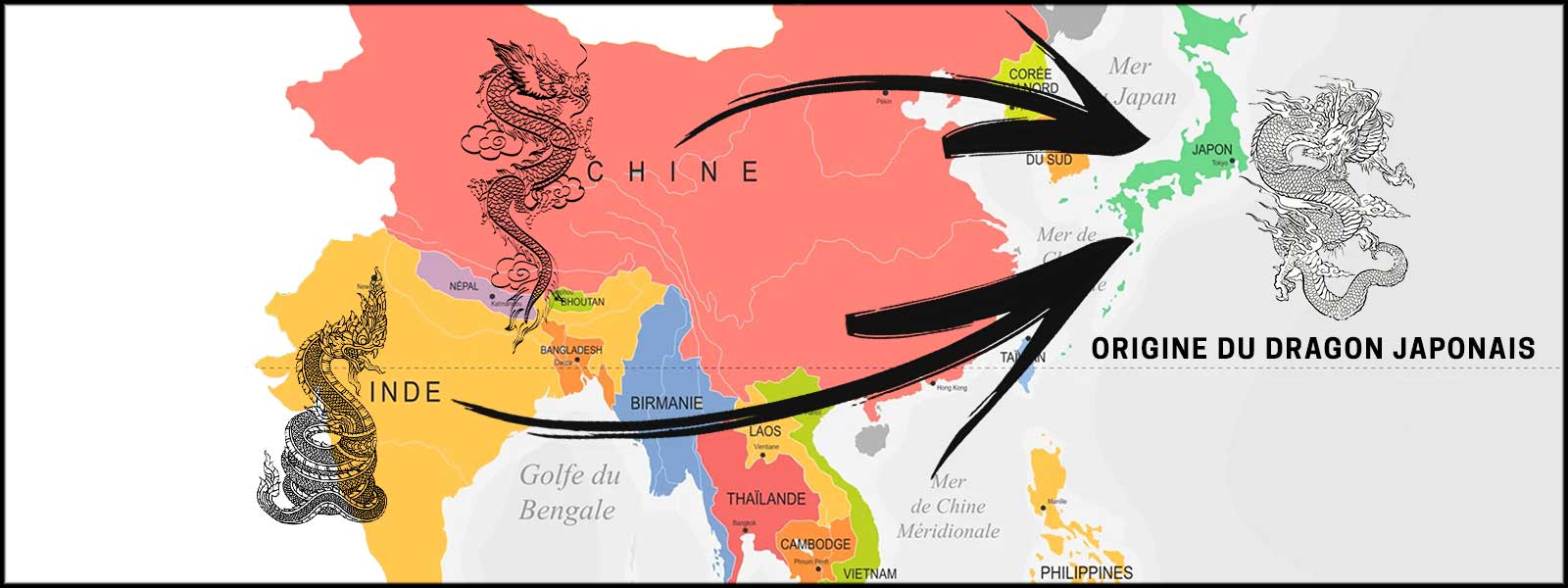
The Japanese dragon originates from China and India, specifically from Confucianism and Mahayana Buddhism. During the Nara period (710–794 AD), Japanese students from Chang'an, China, introduced the dragon symbol to Japan. By the Tang Dynasty (9th century AD), dragons were commonly depicted on buildings and in Chinese art. 🖋️
In Japanese history , the popularity of the Japanese dragon increased during the Muromachi period (1336-1573), particularly in Buddhist architecture and paintings. Subsequently, Shintoism (kami no michi) gained prominence over Buddhist traditions. This Japanese religion, also called " Shinto " (the way of spirits), aimed to distance itself from Buddhism, which had been imported from China to Japan. ⛩️
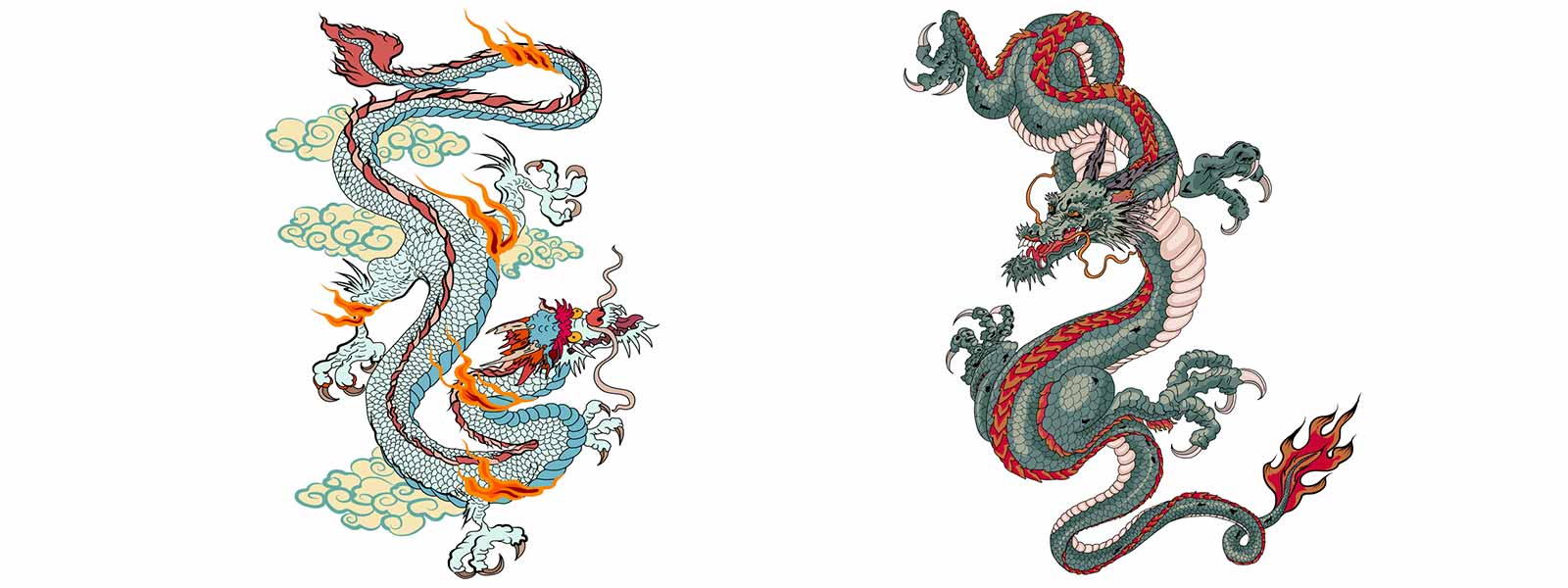
This school of thought, which reinforces belief in the existence of spirits and deities, became a state religion during the Meiji era (1868-1912). Among the principal Kami (Japanese deities) is Ryūjin , the dragon god of the sea. The Japanese dragon is often associated with the emperor or a hero. 🐉
There is a legend associated with the Japanese dragon that tells of a Buddhist temple called Hōkō-ji (or Asuka-dera), located in Nara Prefecture, Japan. At its inauguration in 596, a purple cloud descended from the sky and enveloped the pagoda and the Buddha hall. The cloud's colors increased to five, and then it took the form of a dragon.
Japanese dragon name
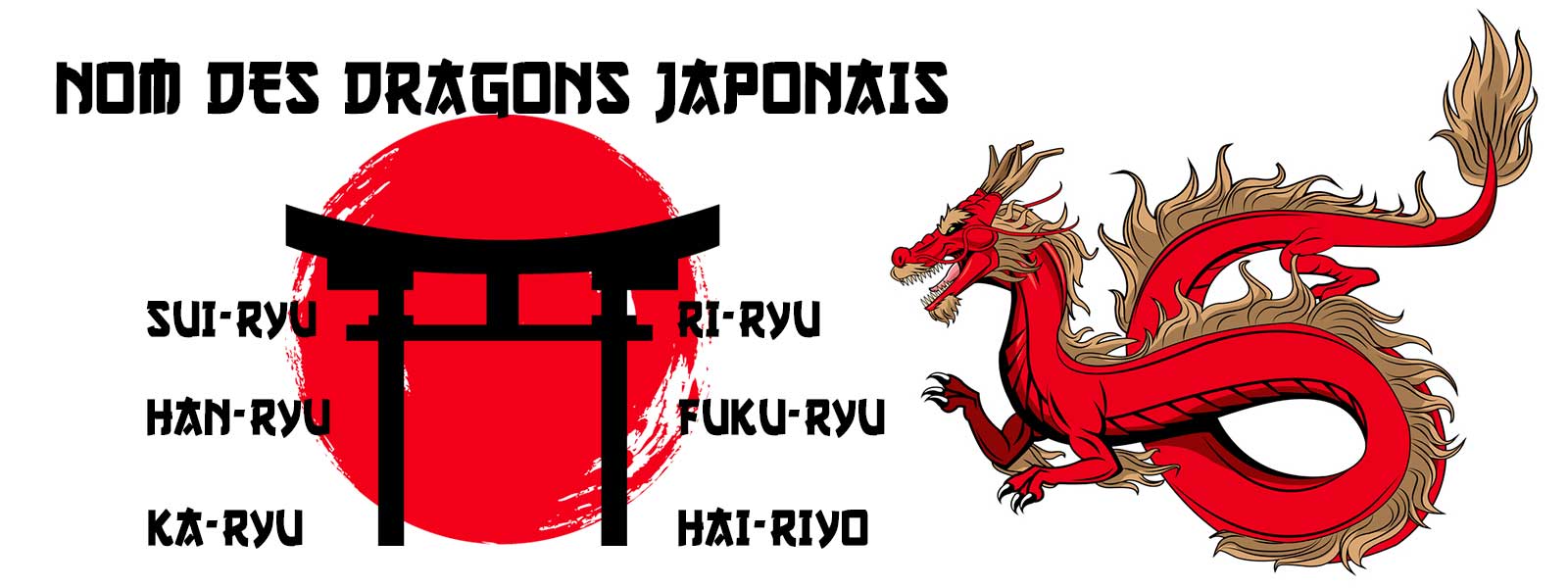
In Japanese folklore, there are many names for Japanese dragons . One of the most important is Ryūjin (龍神), the sea god who is also called the Japanese dragon god (kami, 神), originating from Shintoism. Let's explore the hidden meanings behind the names of the main Japanese dragons recognized in Japanese culture:
- Dragon Sui-Ryu : a rain dragon that causes red rain, colored by its blood when it suffers.
- Han-Ryu Dragon : a multicolored species of dragon described as being over twelve meters long and striped with nine different colors. According to legend, no matter how hard it tried, it never managed to reach the heavens.
- Ka-Ryu Dragon : a small red dragon that measures only two meters long. Ka-Ryu is said to be scarlet, a blazing red. According to some sources, its body is all fire and flames.
- Dragon Ri-Ryu : a formidable dragon with extraordinary eyesight. It is said that it can see over 160 km away.
- Dragon Fuku-Ryu : This is the Japanese dragon of good fortune. It is likely that it is depicted as "ascending," as a dragon moving upwards is a sign of luck in Eastern culture.
- Dragon Hai-Riyo : This chimeric being possesses the body, claws, and wings of a bird, as well as the head of a dragon. Hai-Riyo is one of the most evolved forms of Japanese dragon.
- Kin-Ryu Dragon : a golden dragon. It is considered to be of lesser importance compared to other Japanese dragons.
The Japanese dragon is everywhere; it appears on the engravings of tombs, temples, homes, and shops. It even features on government documents and banknotes. It is on the new coins, in images and books, on musical instruments, and in high relief on bronze and stone sculptures.
Appearance of the traditional Japanese dragon
It is worth remembering that, like other East Asian dragons, most Japanese dragons are deities associated with rainfall and bodies of water. They are generally depicted as large, serpentine, wingless creatures with clawed feet.
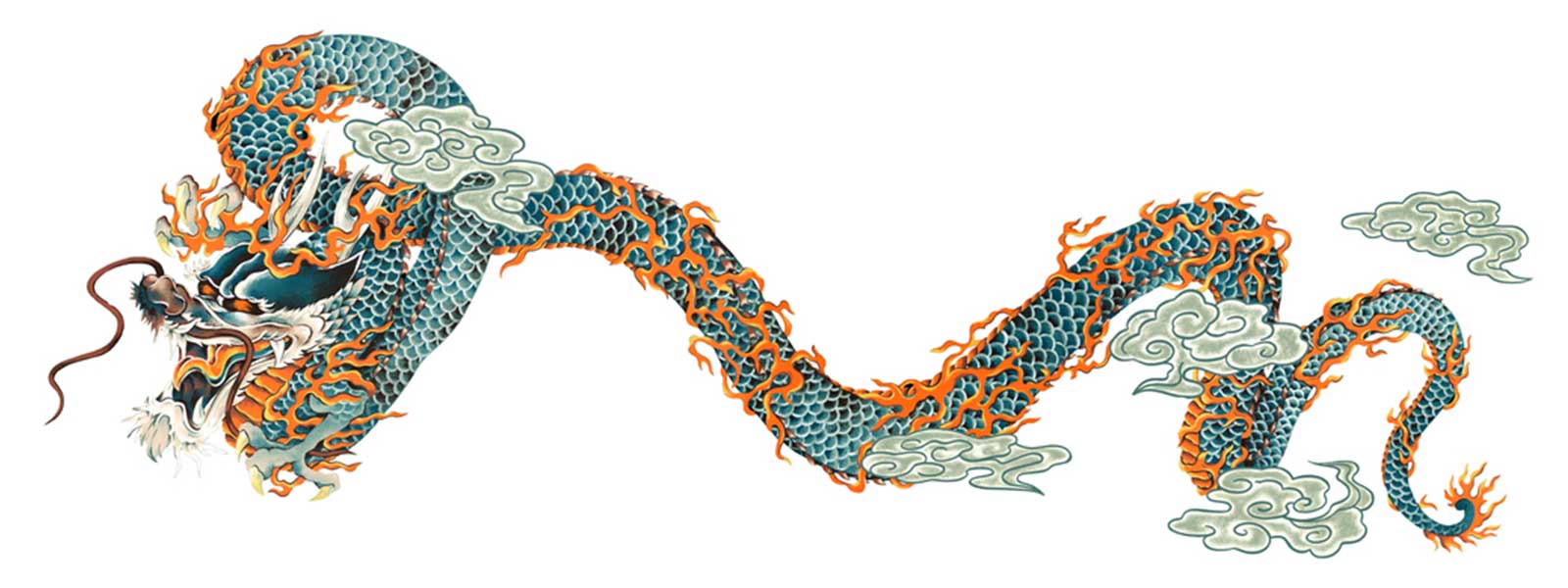
Japanese dragons, like Chinese dragons, are said to be composed of many different types of animals found on Earth. Here are the animals that make up the body of a Japanese dragon:
- The head: camel (camelid)
- The scales: carp (fish)
- The horns: deer (cervid)
- The eyes: hare/rabbit (leporid/lagomorph)
- The ears: beef/cow/bull (domestic bovine)
- The neck: snake (reptile)
- The belly: frog (amphibian)
- The paws: tiger (feline)
- The claws: eagle (bird of prey)
Characteristics of the Japanese dragon
In Japanese culture, the dragon is the result of the fusion of these animals , each imbued with positive symbolism. The Japanese dragon's body can expand and contract at will. Some are even said to have the ability to transform into a human being or become invisible.
Due to the long history of stories and legends surrounding the Japanese dragon, its physical attributes can vary. However, below is a compilation of the most common characteristics found in Japanese dragons in myths and folklore:
- They dwell in the water, and their palaces are beneath the sea. 🌊
- They are capable of flying even without wings.
- They have horns or antlers like deer.
- Calls are being made to Japanese dragons to bring rain. 🌧️
- They have a long, slender body with four limbs and three claws on each paw.
- They have men's hair or a man's beard.
The dragon in Japanese mythology
In Japanese mythology and Shintoism, the existence of dragons is based on legends from the genesis of the universe. Various deities , collectively called " Kotoamatsukami " (distinctly celestial kami), appeared during the creation of the universe. 🌍
After the Kotoamatsukami and once heaven and earth were created, seven generations of kami (Japanese gods), called " Kamiyonanayo " (Seven Generations of the Age of Gods), emerged. Among these Japanese deities are the two most famous: Izanagi and Izanami.
From these celestial entities were born numerous gods, goddesses, and creatures, including the Japanese dragon, which served them as guardian, protector, and messenger. Japanese dragons were unique; they ruled the oceans, sometimes battled gods, and even took human form.
The first mentions of dragons in Japanese mythology appear in the Kojiki (712 AD) and Nihon Shoki (720 AD). In both collections, aquatic deities in the form of serpents or dragons are mentioned repeatedly and in various ways. These creatures are considered to be the traditional Japanese dragons .
Yamata no Orochi
Yamata no Orochi (八岐大蛇), known as the giant eight-headed serpent, or simply Orochi , was an eight-headed, eight-tailed dragon that devoured one of the daughters of the kunitsukami, two earth gods, every year. The legend begins by describing how Susanoo , the Shinto god of the sea and storms, was banished from heaven because of his trickery toward Amaterasu , his sister and the sun goddess . Near the Hi River (now called the Hii River) in Izumo Province, Susanoo encountered the kunitsukami, who were lamenting that they had to sacrifice a daughter every year for seven years to appease Orochi and that they would soon have to sacrifice their last daughter, Kushi-nada-hime.

Susanoo offered to help rescue Kushi-nada-hime in exchange for her hand in marriage. The kunitsukami agreed, and Susanoo transformed their daughter into a comb before their very eyes. Then he slipped it into his hair and told the kunitsukami to brew him eight times the sake and build him eight cupboards, each with a barrel filled with alcohol. When Orochi arrived, Susanoo saw that he had red eyes, a tail, and eight forks. Cypress and fir trees were growing on his back. The dragon's size stretched across eight valleys and eight hills as he crawled toward the kunitsukami's homeland. 🐉

Upon arriving at the hot springs, Orochi consumed all the sake, became drunk, and fell asleep. Susanoo took advantage of this to kill the dragon, using his ten-pronged sword to slice it into small pieces. Opening the dragon's tail , Susanoo found a sword inside, which would later be called the Kusanagi-no-Tsurugi , the same sword Susanoo would later give to Amaterasu as a token of reconciliation. The sword, along with a mirror and a jewel called Yata no Kagami and Yasakani no Magatama respectively, are considered imperial symbols of Japan .
Ryūjin
Ryūjin (海神), nicknamed the Sea God or Watatsumi , was a legendary water deity and a Japanese dragon in Japanese mythology. Another nickname for the dragon is Ōwatatsumi no kami , meaning "the great god of the sea." According to Japanese mythology, Ryūjin resided in a palace known as Ryūgū-jō beneath the sea. He is believed to have been the guardian of the Shinto religion and to have welcomed humans into his realm if they fell into the sea. He and his numerous daughters have appeared in many different legends.

A story in the Kojiki recounts how a man named Hoori lost his brother's fishhook in the sea. While searching for it, he met Otohime , a daughter of Watatsumi. Hoori and the dragon goddess quickly married and established their residence at Ryūgū-jō. After three years, Hoori grew homesick and longed to live on land again, but he was afraid to face his brother without his fishhook. Watatsumi confronted Hoori about what troubled him, and understanding his concerns, the water god summoned all the fish in the sea to ask if any of them had seen the hook. Miraculously, one of them had it lodged in its throat. It was retrieved, washed, and given to Hoori.

Watatsumi ordered Hoori to bring Otohime back to land with him using a wani, another mythical dragon , described as a sea monster. In the Nihongi, Watatsumi also appears in the tales of Emperor Keiko and Emperor Jimmu . According to these accounts, Emperor Keiko's army encountered treacherous waters while crossing the land between Sagami Province and Kazusa Province. This calamity was attributed to Watatsumi, to whom human sacrifices had to be offered in order to receive blessings. Watatsumi is mentioned in the story of Emperor Jimmu because he claims to be a descendant of Toyotama-hime, the daughter of Otohime and Hoori.
Otohime
Otohime (豊玉姫) is the dragon goddess, and as previously mentioned, she is the descendant of Ryūjin. She is also known as the "Princess of Luxurious Jewels" and features in the legend called "The Luck of the Sea and the Luck of the Mountains." In this tale, Toyotama-hime is not introduced as the daughter of Otohime and Hoori; instead, she assumes the role of Otohime herself. Furthermore, Ryūjin recognizes that she is the heir of another god and immediately organizes a banquet for her.

The same events—the two marrying, living in Ryūgū-jō for three years, and returning to Earth—remain true. Their earthly life is then recounted in detail. Upon learning of their pregnancy, Hoori builds a hut for Toyotama-hime where she will give birth to their child. The goddess asks her husband not to interfere with the birth of their son, Ugayafukiaezu, but Hoori's curiosity leads him to spy on his wife.

Oddly enough, instead of seeing Toyotama-hime, Hoori saw a crocodile-like wani cradling her son. Clearly, in order for Toyotama-hime to give birth, she needed to transform into a wani, and she didn't want her husband to judge her in that state. Toyotama-hime caught Hoori spying on her. Betrayed, she couldn't forgive him and chose to leave him and their son, returning to Ryūgū-jō. She sent her sister, Tamayori, to Hoori to help raise Ugayafukiaezu . Tamayori and Ugayafukiaezu eventually married and had a son, Jimmu. 🐉
Mizuchi
Mizuchi (蛟 or 虯), nicknamed the Hornless Dragon, was a water dragon that inhabited the Kawashima River and murdered travelers by spitting venom at them. Agatamori , an ancestor of the Kasa no Omi clan, went to the river and challenged the dragon. Agatamori threw three gourds into the river, which remained afloat. He demanded that Mizuchi make the gourds sink, or he would have to kill him.

The dragon transformed into a deer to try and drown the gourds, but never succeeded. Therefore, Agatamori killed the dragon and the other water dragons at the bottom of the river. According to legend, the river turned red because of all the slain dragons. Since then, the river has been called Agatamori's Pond.

Kiyohime
Kiyohime (清姫), also known as "Princess Kiyo," or simply Kiyo , was believed to be the daughter of a lord or village chief named Shoji. Their family was relatively wealthy and dedicated themselves to hosting and lodging pilgrim priests. The legend of Kiyohime tells us that a charming priest named Anchin fell in love with the alluring young woman, but eventually overcame his desires and chose to avoid seeing her again. This sudden change of heart was not well received by Kiyohime, who fiercely confronted the priest. Meeting him again on the Hidaka River, Anchin sought the help of a boatman to cross the river. He instructed the boatman not to let Kiyohime board a boat so that he could escape.

Realizing Anchin's plan, Kiyohime dove into the Hidaka River and began swimming to steer her boat. As she swam, her intense rage transformed her into a large dragon. Anchin sought refuge at a temple known as Dojo-ji, hoping for help and protection. The temple priests hid him under a bell, but Kiyohime tracked him down by his scent. She coiled herself around the bell and repeatedly pounded on it with her tail. Then, she unleashed a torrent of fire, which melted the bell and killed Anchin. 🐉

Wani
The Wani (わに), also known as the "sea dragon," resembles a monster living in the deep waters. Wani have long, serpentine bodies, fins, and can breathe both air and water. They are capable of transforming into humans, and there are even stories of Wani and humans falling in love. Notably, one of the most famous Wani legends is the story of Toyotama-hime, the daughter of Ryūjin.

Behavior : The Wani are the rulers of the oceans and the gods of the sea. They live in magnificent coral palaces at the bottom of the ocean. The Wani have a complex political hierarchy that mirrors that of the surface world. There are kings and queens, princes and princesses, courtesans, and servants. Ōwatatsumi, also known as Ryūjin, is the greatest among them. He rules the sea from his palace, Ryūgū-jō. He controls the ebb and flow of the ocean using the tidal jewels, the kanju and the manju.

Origin : The Wani appear in the earliest written records of Japanese myths, the Kojiki and the Nihon Shoki. Their stories almost certainly date back to an even earlier time, to the mists of prehistory. Scholars disagree on whether the earliest Wani legends originated in Japan or were imported from other cultures, citing similarities between the Wani and the Chinese Long or the Indian Naga. The Wani play an important role in Japanese mythology, particularly in the mythological foundation of Japan.

Nure-onna
Appearance : The Nure-onna (濡女), also known as the "drenched woman," is a vampiric sea serpent that haunts shores and rivers in search of humans to devour. They are most commonly found on the shores of Kyushu Island. There are stories of nure-onna encounters from Niigata Prefecture to Fukushima Prefecture. There are two variants of this yōkai :
- An armless creature, resembling an enormous sea serpent with a woman's head
- One with arms, of a humanoid type.

Interactions : Although physically much stronger than humans, nure-onna prefer not to use brute force, relying instead on cunning to catch their prey. They most often appear near water, on a coast or riverbank. Nure-onna magically disguise themselves as a woman in distress, carrying a cradled baby in her arms. They cry out for help to fishermen, sailors, or any passersby.

When its prey approaches, the nure-onna pleads with its victim to hold its baby for a moment so it can rest. If the victim agrees and takes the bundle, the "baby" becomes as heavy as a rock, rendering the person immobile. The nure-onna is then free to attack its helpless victim, draining and feeding on its blood with its long, serpentine tongue. Nure-onna often appear together and cooperate with ushi oni , as they live in the same environments and share the same diet.
Zennyo Ryūō
Zennyo Ryūō (善女竜王), nicknamed "The Sovereign Dragon," is a dragon from Japanese mythology . Other spellings and variants of the name include Zennyo Ryuo, Zen-nyo-ryu-o, Zentatsu, and Zen-tatsu. A common description of Zennyo Ryūō in Shinsen'en stories is that he is a small dragon (approximately two meters long) with a small golden serpent on his head. He is also capable of appearing in human form. However, his dragon tail remains visible.

Most accounts agree that Zennyo Ryūō preferred to live in ponds and lakes. He often received prayers and offerings to bring rain. Zennyo Ryūō was originally described as living in a pond on Mount Muro. A shrine was built for this dragon king sometime after 781-783 AD. This shrine was used to make offerings to Zennyo Ryūō in exchange for rain. Twin dragon models made of materials like straw and reeds are one such offering. Other sources claim that Zennyo Ryūō was originally one of the dragon kings (or naga) of the Anavatapta Pond, the Himalayan source of many rivers.

Originally, Shinsen'en (or Shinzen'en) was a garden used by the wealthy for recreation. During times of drought, water from the pond was given to farmers to irrigate their land, meaning the pond already had a connection to water supply. The appearance of Zennyo Ryūō has been attributed to Shingon Buddhist monks, who performed rituals invoking the dragon. The monks became responsible for the rainmaking rituals necessary to persuade or compel Zennyo Ryūō to provide rain. The monks' observations showed Zennyo Ryūō to be a golden dragon with a serpent on its head.
How do you write "Dragon" in Japanese?
In Japanese , the dragon is " ryū " (or "ryuu," they are the same) and the kanji is 竜 in Shinjitai script, or 龍 in traditional script (kyuujitai). Dragons can also be called " tatsu ," although "ryū" is more common. The word "ryū" is derived from Chinese, while the word "tatsu" is derived from Old Japanese. The terms "ryū" and " tatsu " are used to refer to dragons of East Asia, those of China and Japan. ✍🏼
There are several ways to say dragon in Japanese , depending on the type of dragon you're referring to. Below, you'll find variations of the word for dragon in kanji . As for pronunciation, refer to the word in parentheses and adjust the intonation accordingly.
Kanji Dragon in Japanese
What is the Japanese kanji for dragon ? There are two ways to write it. The easier to remember and more recent of the two (referring to Western dragons) is an English loanword, and it is as follows:
- ドラゴン(doragon) = Western Dragon
Many of these loan words resemble their English counterparts, but with a Japanese accent. You've probably heard them if you watch anime. This katakana version of the word is mainly used for the European style of dragons. Here's the second one:
- 竜(ryū) = Dragon (Hokusai's dragon)

This is the older and more common of the two names. You will most likely use this version when talking about dragons in Japanese. Some of the compound words that use the kanji for dragon are:
- 竜王(Ryūō) = Dragon King
- 竜神(Ryūjin) = Dragon God
- 竜宮(Ryūgū-jō) = Underwater Palace of the Dragon God
- 竜座(Ryūza) = Draco the dragon (the constellation)
- 日本の竜(Nihon no ryū) = Japanese Dragons
Finally, the Indian dragons or Nāga, from Hindu and Buddhist tales, are calledナーガ(nāga).
Differences between the Chinese and Japanese Dragon
In both China and Japan, the dragon is one of the most significant symbols of culture and religion. Studying each culture's perception of this ancient mythological creature is essential for understanding Japanese and Chinese political history, science, and many other aspects. Japanese dragon mythology derives primarily from Chinese traditions, making the difference between the Chinese and Japanese dragons very difficult to discern.

Unlike Western dragons, Japanese and Chinese dragons generally appear as snake-like creatures. Japanese dragons have a slender body with a large head, while Chinese dragons have a larger body but a smaller head. Neither type of dragon has wings. Chinese dragons always have five fingers or claws (except for the imperial dragon, which has four), while Japanese dragons have only three.
That's the end of the article about the Japanese dragon. I hope you enjoyed it. Feel free to comment and treat yourself to one of these superb dragon incense holders. It will fill your home with soothing and stress-relieving aromas.