The Oriental Dragon
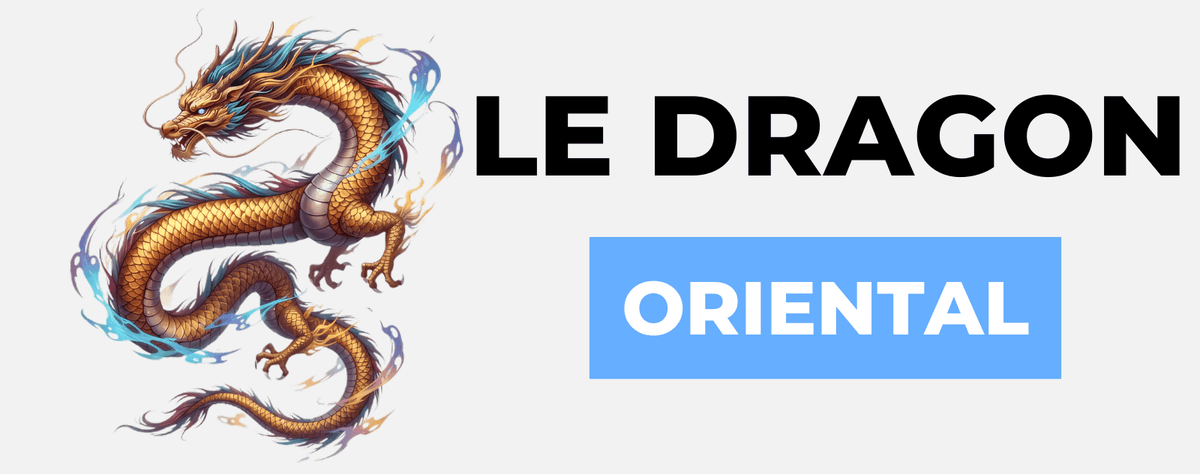
At dusk, when the sky is tinged with gold and purple, it is said that an Eastern Dragon rises from the mists of the sacred mountains. Its serpentine silhouette is etched between the clouds, its scales shimmer like living jewels, and its powerful breath fills the air with ancient wisdom. A creature both majestic and elusive, it embodies more than just a legend: it is the reflection of a worldview, a cultural heritage that transcends centuries.
In this article, we will unravel together the mysteries of the Eastern Dragon , understand its deep symbolism, its differences according to traditions, and discover why it continues to fascinate fantasy enthusiasts as well as lovers of history and mythology.
What is the meaning of the Eastern Dragon?
The Eastern dragon is very different from its Western counterpart. While the latter is often perceived as a destructive and fearsome creature, the Asian dragon is a symbol of benevolent power. In China, it represents prosperity, fertility, and good fortune. Its appearance is linked to the rains that nourish the land and ensure bountiful harvests. In the collective imagination, seeing a dragon in a dream is a sign of an extraordinary destiny.
In Japanese culture, the dragon retains a spiritual and aquatic dimension. It is the guardian of rivers and oceans, a protector against storms, and a symbol of wisdom. The Eastern Dragon, therefore, embodies less fear than respect, and it invites a harmonious relationship with the forces of nature.
Throughout these traditions, one idea prevails: the Eastern Dragon is not a threat, but a source of blessing. A guide that connects humans to the elements.

What is the difference between a Chinese dragon and a Japanese dragon?
At first glance, a novice observer might think that the Chinese dragon and the Japanese dragon are identical. However, each culture has shaped its dragon in its own image.
-
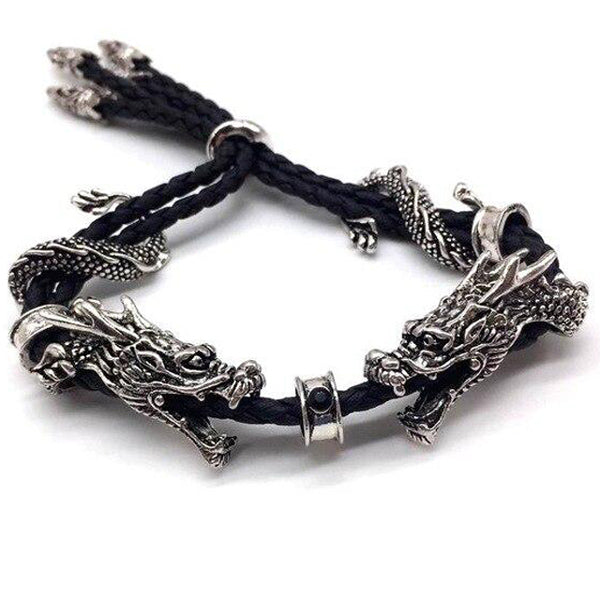
The Chinese dragon is long, serpentine, and has four clawed feet. It is often depicted with a pearl or a sphere of fire that it protects, a symbol of knowledge and power. It is associated with emperors and the Mandate of Heaven, the embodiment of divine order.
-
The Japanese dragon , called Ryū , is similar to the Chinese model but is distinguished by its close association with water. More slender, it often appears in stories as a guardian of lakes and seas. Some tales describe it with only three claws per foot, compared to five for the imperial dragons of China.
These differences illustrate how each culture has adapted the dragon to its environment and beliefs. While China elevated it to the status of an imperial symbol, Japan made it a spiritual guardian of the seas.

What are the four Asian dragons?
Chinese mythology mentions four celestial dragons, each linked to a fundamental element of nature:
-
The Azure Dragon of the East (Qinglong) : guardian of spring, symbol of renewal.
-
The White Dragon of the West (Bailong) : associated with autumn and justice.
-
The Southern Red Dragon (Zhuolong) : linked to summer, embodies fire and prosperity.
-
The Black Dragon of the North (Xuanlong) : master of winter and rain.
These oriental dragons are not mere mythical creatures: they are the guardians of the seasons, natural cycles, and the cosmos. They embody universal balance, reminding us that every force, however formidable, has its place in the order of the world.

The Oriental Dragon in Fantasy and Modern Life
Beyond ancient tales, the Eastern Dragon still nourishes our contemporary imagination. In fantasy, it inspires majestic, wise, and magical creatures, contrasting with the more warlike Western dragons.
For enthusiasts, integrating an oriental dragon into their daily lives can take different forms:
-
As decoration : a dragon figurine or a painting inspired by Asian myths brings an aura of power and serenity.
-
In the collection : fans of fantasy objects particularly appreciate the oriental dragon incense holders , where the smoke imitates the mystical mists of legends.
-
In the imagination : drawing inspiration from the wisdom of oriental dragons in writing, role-playing games, or personal stories.
Thus, the dragon is not limited to an ancient legend: it becomes a source of inspiration, an invisible companion in our quest for meaning and dreams.

Heritage and eternal fascination
From the Azure Dragon, protector of spring, to the Ryū, guardian of the oceans, the Eastern Dragon traverses the centuries without losing its strength. It embodies wisdom, prosperity, and a harmonious relationship with the elements. Its presence in fantasy and in our modern lives proves that it is not merely a myth, but a universal archetype of grandeur and balance.
If this dragon-like journey has captivated you, I invite you to continue the adventure with our article dedicated to the Chinese Dragon , a true pillar of Eastern mythology. And for those who wish to bring a touch of mystery into their daily lives, discover our oriental dragon incense holder , where each wisp of smoke evokes the dance of a celestial dragon.