What is a dragon?

Dragons are mythical creatures that appear in many cultures and across different eras. Dragons have been described as monsters , serpents , reptiles , or beasts . There is something magical about dragons that has captivated our imaginations for centuries. The first question we must answer is: " What is a dragon? " Here is the definition of the word " dragon ":
"A dragon is a mythological fire-breathing animal , a winged, flying creature covered in scales. In many European legends, brave knights fight evil dragons." From this definition, we can discern a few fundamental elements:
- a fire-breathing dragon
- A dragon is a mythical creature.
- a dragon is a winged beast with scaly skin
- A dragon appears in many legends.

Now that we have this list and a definition of the term "dragon," we will also obtain a clear definition of the words " mythological " and " legend ." It is interesting to note that the definition of the term "mythological" contains the word "legend."
- MYTHOLOGICAL : "Everything mythological is linked to a fable, a legend, or another traditional story. Even if some of us don't want to admit it, mythological creatures are not real."
- LEGEND : "A legend is a story that transcends reality and is passed down from one generation to the next, like the legends of Beowulf, Robin Hood, or even Bigfoot."
It then becomes clear that dragons are just a figment of the imagination . They can't be real. Even if we don't want to admit it. Dragons are merely creatures invented in surreal stories. Just like unicorns, mermaids, the Kraken, and even the monsters under your bed. But... could it be that dragons come from some real stories? Stories perhaps about real dinosaurs? After all, dragons and dinosaurs look quite similar.
Where do dragons come from?
We now know that dragons are mysterious and awe-inspiring mythological creatures . Quite complex, they come in various forms. Their characteristics and symbolism, whether good or evil, vary depending on the cultures and beliefs that mention them. But what are their origins? Where do dragons come from?

A myth this powerful must have an origin . There must be a reason why this myth became so real for so many people. It is generally believed that the myth of the dragon is very popular, even today, because many people in ancient times firmly believed that dragons were real.
The myth of dragons is present in almost every culture in the world. In ancient history, going back as far as possible, dragons exist in Ancient Egypt , Greek mythology , and the Bible . These dragons mostly resembled giant serpents. They had no legs and looked more like flying snakes. The Old Testament , or Hebrew Bible, contains several stories of serpents and dragons .

European stories often depict dragons as four-legged, fire-breathing flying monsters . In these Western cultures, dragons are portrayed as malevolent monsters to be vanquished. They are often said to have a voracious appetite and to live in caves, where they hoard treasure. In the East, particularly in China, dragons have always been an important part of culture. The " Chinese Long Dragon " (龍, Pinyin long) is associated with good fortune and is believed to influence rain. Dragons and their association with rain are the origin of the Chinese dragon dance tradition.

Myths about Dragons
Dragons are highly intelligent creatures . They live in remote areas, far from humans, in dark, damp, and isolated places, such as caves. Dragons were initially thought to be creatures that lived in water. Later, they became associated with fire. Sea serpents may have been the earliest dragons, and this may explain the association.
Almost all dragon stories depict the dragon as the villain whose city or princess the hero must protect. But some dragons can take the form of the protector. The greatest differences between dragons usually stem from different cultures, particularly Eastern and Western cultures. Each culture seems to have its own idea about dragons.

They can't all be lumped into a single group, as there are many different types of dragons . Each culture seems to have its own type of dragon, and each of these dragons is usually very different. Some people have said that dragons existed long ago, perhaps during the time of the dinosaurs . Others believe that dragons originated at the same time as our Earth. A few people even claim to have seen a dragon in their lifetime. Among those who claim to have seen one, they generally agree that it was humans who ultimately defeated the dragons.
But above all, dragons are fascinating and magical creatures that have captivated us for thousands of years. The many kinds of dragons and the possibility of using our imagination to create these creatures only add to their allure. Numerous stories have been told about these magnificent beings , and it seems that dragons are an integral part of our mythology. Whether these creatures are or ever were real is probably irrelevant, as imagination can conjure them up in almost any situation.

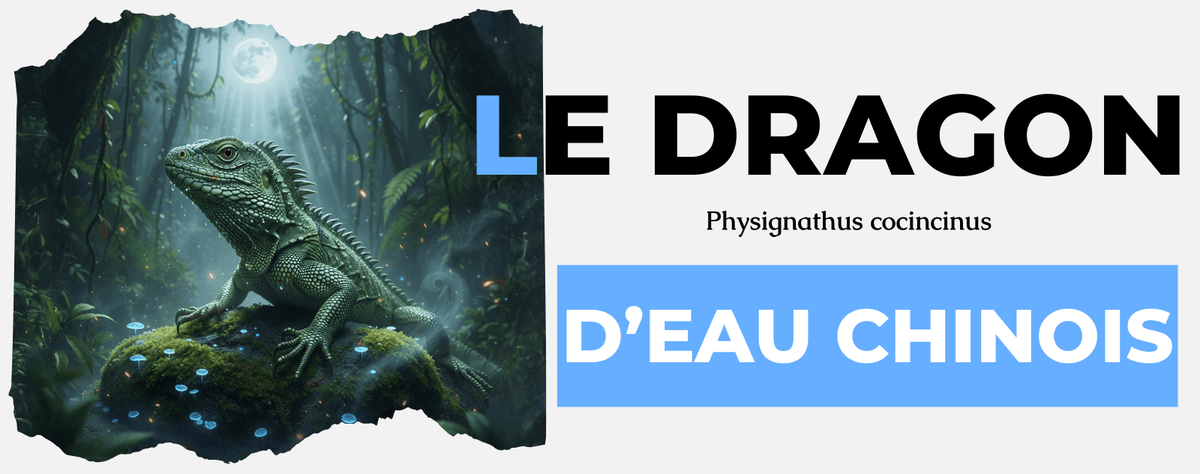
Dragons have often been used in works of art. Images or sculptures of dragons appear mysterious and magical. Fashion has found its style in these magical creatures, particularly in dragons of the East. The term dragon has no zoological significance, but it has been applied in the Latin generic name Draco to a number of species of small lizards found in the Indo-Malayan region. The name is also popularly applied to the Komodo dragon , Varanus komodoensis, discovered on Komodo Island, Indonesia.
I hope I have answered the question " what is a dragon ?", feel free to ask if you have any questions and take a look at our shop which deals with the world of dragons .